
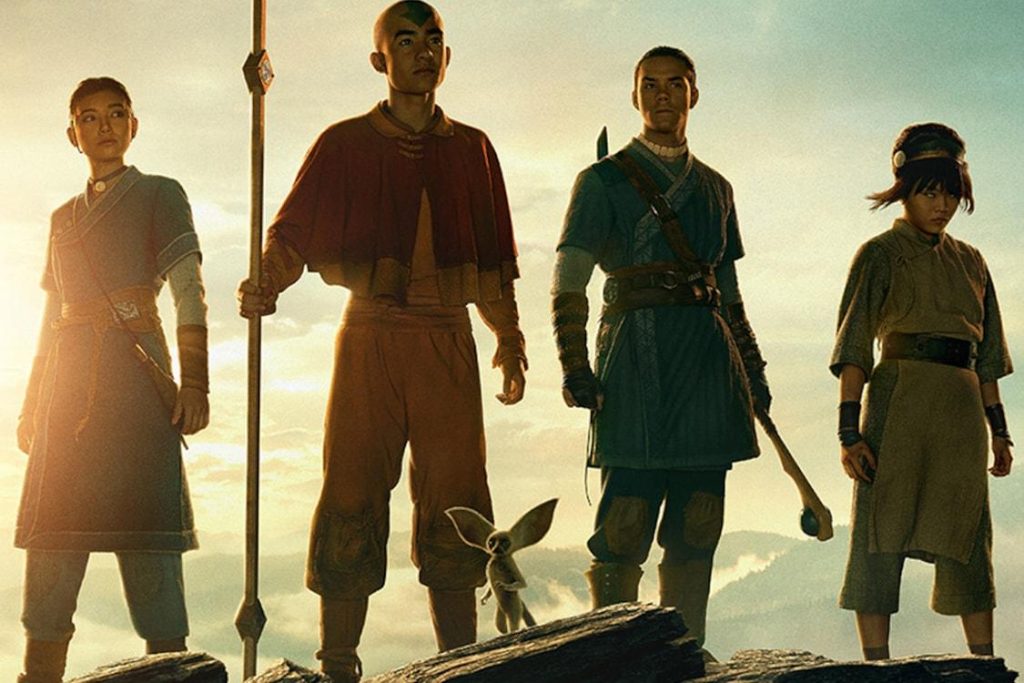
In a move that has surprised many film fans and followers of the Avatar universe, the film “Avatar Aang: The Last Airbender” has found itself at the center of controversy even before reaching audiences, after it was announced that its release would shift from the big screen to the streaming platform Paramount+. The decision was seen by many as a sudden change in the path of one of the most highly anticipated projects in the world of animation and fantasy.
Audiences had been expecting to see the return of Aang to the cinema in a large-scale experience that would combine adventure, fantasy, and nostalgia for the original series that left a lasting mark on an entire generation of viewers. However, the decision to release the film on a streaming platform instead of in theaters sparked a wave of questions about the real reasons behind the change and whether it would affect the film’s scale and the way it is received.
The decision comes at a time when the global film industry is undergoing a major transformation, with streaming platforms increasingly competing with movie theaters and studios seeking to reach wider audiences online. Some observers believe that moving the film to a digital platform could give it the chance to reach millions of viewers around the world more easily, while others argue that the world of Avatar deserved a grand cinematic release that would match the scale of its popularity and distinctive visual universe.
Since the project first emerged, it has been surrounded by high expectations, especially because of the special place The Last Airbender universe holds with audiences. The original series was not just a children’s show; it presented a story full of human conflict, personal growth, and themes of balance, peace, and responsibility, which made its return an event eagerly awaited by fans of all ages.
The new release plan has also divided fans on social media, with some expressing disappointment at losing the chance to experience the film on a massive movie screen, while others welcomed the convenience of watching it from home, arguing that digital platforms have become an essential part of the future of entertainment.
Despite the controversy surrounding its release method, “Avatar Aang: The Last Airbender” remains one of the projects drawing significant attention, as audiences await to see how Aang will be brought back to the screen and whether the film can preserve the spirit of the original world while offering a fresh experience suited to modern viewers.
As the release date of July 25, 2026 approaches, the debate continues between those who believe the future of cinema is moving toward digital platforms and those who think that some major works are only complete when seen on the big screen. Between the two sides, one question remains: will “Avatar Aang” succeed in proving that the strength of a story matters more than where it is shown?